
Gynaecological Cancer Surgery in Mohali
Specialised surgical planning for ovarian, uterine, cervical and other gynaecological cancers, including minimally invasive surgery in selected patients across Tricity.
Specialised surgical planning for ovarian, uterine, cervical and other gynaecological cancers, including minimally invasive surgery in selected patients across Tricity.
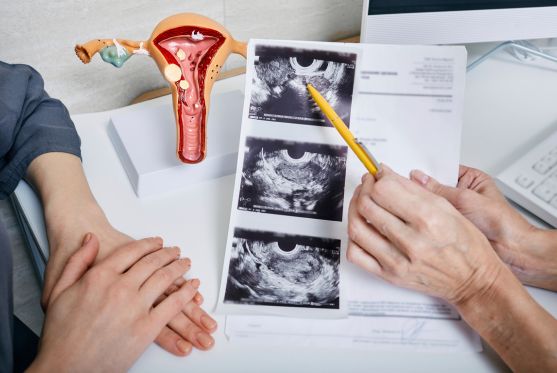
Gynaecological cancers affect the female reproductive system, including the ovaries, uterus, cervix, vulva and other pelvic structures.
Surgery may be used for diagnosis, accurate staging, removal of cancer and reduction of tumour burden. The type and timing of surgery depend on cancer site, stage, spread within the abdomen or pelvis, patient health and whether chemotherapy or radiation is required.
Approximately one-third of Dr. Vijay Bansal's surgical oncology work involves women's and gynaecological cancers.

Persistent or unexplained symptoms should be assessed, especially after menopause.
Bleeding between periods or after menopause.
Persistent pain or pressure in the lower abdomen or pelvis.
Increasing bloating or abdominal enlargement.
Feeling full quickly or reduced appetite.
Persistent or unusual vaginal discharge.
A suspicious ovarian or pelvic mass found on imaging.
Ovarian cancer surgery may involve staging surgery or cytoreductive/debulking surgery, depending on disease spread and patient fitness.
The goal in selected cases is to remove as much visible cancer as safely possible. Some patients undergo surgery first, while others receive chemotherapy before surgery.
Individualised planning from diagnosis and staging to surgery, recovery and further treatment.
Review imaging, biopsy, tumour markers and medical history.
Evaluate pelvic, abdominal and lymph-node involvement.
Decide whether surgery, chemotherapy or radiation should come first.
Coordinate pathology review, further therapy and surveillance.
Surgery is often a primary treatment for operable uterine or endometrial cancer. The procedure may involve removal of the uterus, ovaries and fallopian tubes, with lymph-node assessment depending on stage and risk factors.
Selected early-stage cases may be suitable for a laparoscopic approach after careful evaluation.
Surgery may be considered for selected early-stage cervical cancers. More advanced cervical cancers are commonly treated with radiation and chemotherapy.
A detailed review helps determine whether surgery is appropriate or whether another treatment approach is safer and more effective.
Selected gynaecological cancers and suspicious tumours may be suitable for laparoscopic surgery. Potential benefits may include smaller incisions, reduced postoperative discomfort and faster recovery.
Laparoscopy is recommended only when appropriate staging and cancer removal can be achieved safely.
Surgery is an important part of treatment for many ovarian cancers. Some patients undergo surgery first, while others receive chemotherapy before surgery.
Selected early-stage uterine cancers may be suitable for laparoscopic surgery after detailed evaluation.
Surgery may be considered in selected early-stage cervical cancers. More advanced disease is commonly treated with radiation and chemotherapy.
Debulking or cytoreductive surgery aims to remove as much visible cancer as safely possible from the abdomen and pelvis.
Share your details for a women's cancer surgery consultation at Livasa Hospital, Mohali.