
GI & Abdominal Cancer Surgery in Mohali
Personalised surgical care for cancers of the oesophagus, stomach, liver, pancreas, gallbladder and other abdominal organs—serving Chandigarh, Mohali, Panchkula and Tricity.
Personalised surgical care for cancers of the oesophagus, stomach, liver, pancreas, gallbladder and other abdominal organs—serving Chandigarh, Mohali, Panchkula and Tricity.
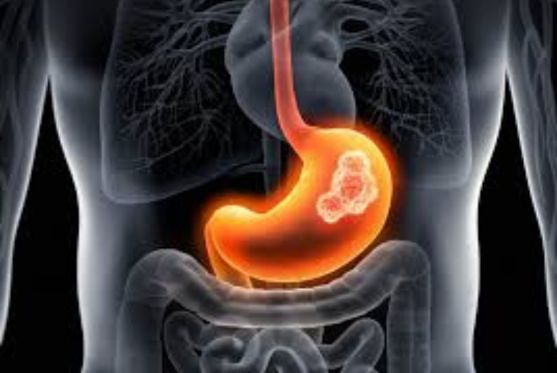
Gastrointestinal cancers affect the digestive system and related abdominal organs. Surgery may be used to remove a tumour, accurately stage the disease, relieve obstruction or form part of a combined treatment plan.
The type and timing of surgery depend on the organ involved, cancer stage, tumour location, involvement of nearby organs or blood vessels, previous treatment and overall patient health.
Dr. Vijay Bansal provides evaluation and surgical planning for routine as well as complex GI and abdominal cancers, including laparoscopic surgery in appropriately selected cases.

Accurate staging helps determine whether surgery should happen first or after another treatment.
Direct evaluation of the food pipe, stomach, colon or rectum where required.
Histopathology confirms the cancer type and supports treatment planning.
Imaging helps assess tumour location, spread and involvement of nearby structures.
Organ function, anaemia, nutrition and selected tumour markers may be reviewed.
Heart, lung, nutritional and anaesthetic fitness are evaluated before major surgery.
Medical and radiation oncology input is included when combined treatment is needed.
Selected GI and abdominal cancer operations may be performed laparoscopically. Potential benefits can include smaller incisions, reduced postoperative discomfort and earlier mobilisation.
Open surgery may be more appropriate for large, advanced or technically complex tumours, particularly when cancer involves nearby organs or major blood vessels.
GI cancer treatment may involve surgery alone or a combination of surgery, chemotherapy, radiation therapy, nutritional support and surveillance.
A careful pathway from diagnosis and staging to recovery and further treatment.
Review biopsy, endoscopy and imaging to understand the cancer type and location.
Assess local spread, lymph nodes, distant disease and surgical feasibility.
Choose surgery first, preoperative therapy or another pathway based on the case.
Coordinate nutrition, pathology review, further treatment and surveillance.
Some abdominal cancers may be close to major blood vessels, involve more than one organ or return after previous treatment. These situations require detailed assessment of whether complete and safe tumour removal is possible.
Previous surgery, chemotherapy, radiation, nutritional condition and other medical illnesses are considered before recommending a complex procedure.
Gastrointestinal cancers affect the digestive tract and related organs, including the oesophagus, stomach, intestines, colon, rectum, liver, pancreas and gallbladder.
No. Treatment depends on the cancer type and stage. Some patients require chemotherapy or radiation before surgery, while others may receive non-surgical treatment.
Selected GI cancer procedures may be performed laparoscopically when safe tumour removal and appropriate oncological clearance can be achieved.
Bring endoscopy or colonoscopy reports, biopsy results, CT, MRI or PET-CT images, blood tests and records of any previous cancer treatment.
Share your details for a consultation or second opinion at Livasa Hospital, Mohali.