Surgical Oncology Consultation & Second Opinion in Mohali
Expert review of diagnosis, cancer stage, operability and surgical options for patients from Chandigarh, Mohali, Panchkula and the wider Tricity region.
Expert review of diagnosis, cancer stage, operability and surgical options for patients from Chandigarh, Mohali, Panchkula and the wider Tricity region.
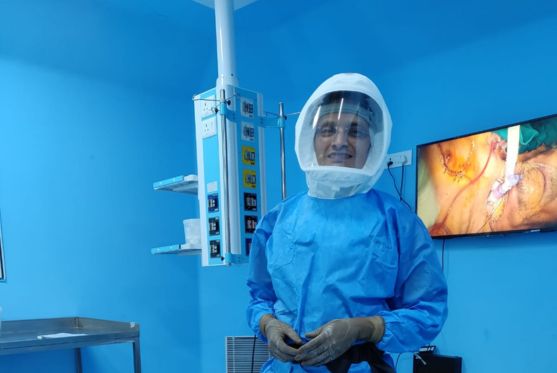
A surgical oncology consultation helps patients understand whether surgery is required as part of cancer treatment, whether the cancer appears operable, and how surgery should be coordinated with chemotherapy, radiation therapy or other treatments.
A second opinion can provide additional clarity before a major cancer operation. It may confirm the existing plan, identify another suitable approach, or explain why surgery may not be the right first step.
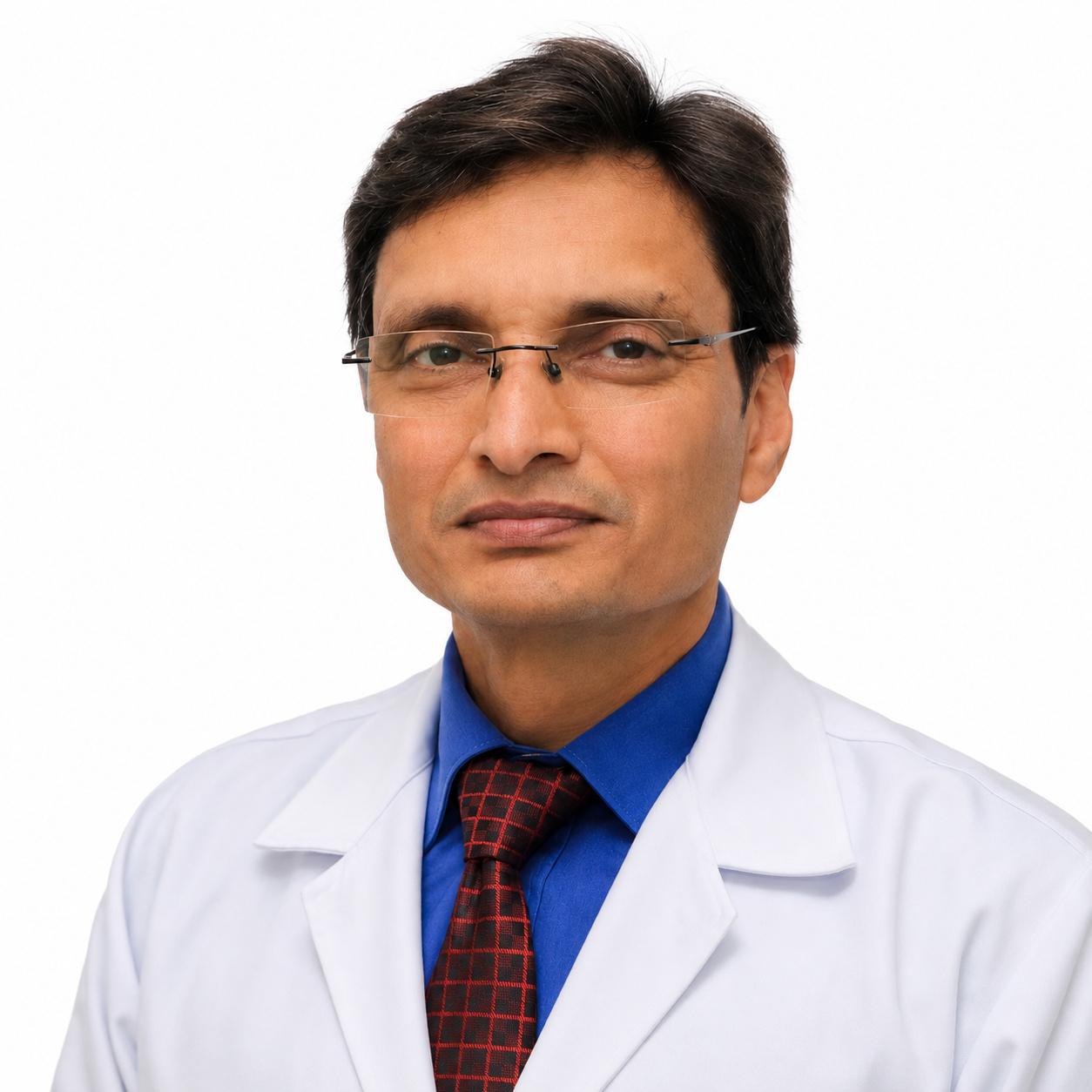
Dr. Vijay Bansal reviews the diagnosis, staging investigations, medical history and previous treatment before explaining the available surgical options to the patient and family.

Complete records help make the surgical opinion more accurate and useful.
Biopsy, histopathology, cytology and receptor-status reports where applicable.
CT, MRI, PET-CT, ultrasound or mammography reports and image discs.
Endoscopy, colonoscopy, bronchoscopy or previous operative records.
Chemotherapy, radiation, discharge summaries and prior surgery details.
Routine investigations, tumour markers and organ-function reports.
Current medicines, allergies, chronic illnesses and prior anaesthesia history.
Operability depends on tumour location, cancer stage, involvement of nearby organs or blood vessels, spread to distant areas, expected benefit of surgery and the patient's overall health.
Even when surgery is technically possible, it should form part of a well-planned overall cancer treatment strategy. The aim is not simply to operate, but to choose an approach that offers meaningful and safe benefit.
In selected cases, treatment such as chemotherapy or radiation may be advised before surgery to improve the chance of effective cancer removal.
A focused pathway designed to bring clarity to the next treatment decision.
Gather biopsy, scans, treatment summaries and relevant blood investigations.
Diagnosis, stage, operability and previous recommendations are assessed.
Surgery, laparoscopy, open surgery and combined treatment options are explained.
A practical next-step plan is discussed with the patient and family.
Dr. Vijay Bansal combines extensive clinical surgical experience with 22 years of oncology services and 15 years of laparoscopic cancer surgery.
A second opinion is useful after diagnosis and before starting definitive treatment or undergoing a major operation, especially when the treatment plan is unclear or complex.
A timely second opinion usually helps clarify the treatment plan. It should be arranged promptly so that necessary treatment is not delayed.
Bring biopsy and histopathology reports, CT, MRI or PET-CT images and reports, endoscopy or colonoscopy findings, blood tests, previous treatment summaries and current prescriptions.
Yes. Suitability is assessed according to the cancer type, stage, tumour location, previous treatment, medical fitness and whether safe cancer clearance can be achieved.
Share your details for an appointment or second-opinion review at Livasa Hospital, Mohali.