Dr. Vijay Bansal
10 January 2026
Dr. Vijay Bansal
10 January 2026
Breast cancer is one of the most common cancers affecting women worldwide, but early detection and advanced treatments have significantly improved survival rates. Understanding the symptoms and available treatment options can empower patients to take timely action.
While not all breast changes indicate cancer, being aware of what is normal for your body and noticing persistent changes is crucial. Consulting a specialist at the right time can lead to better outcomes and less aggressive treatment.

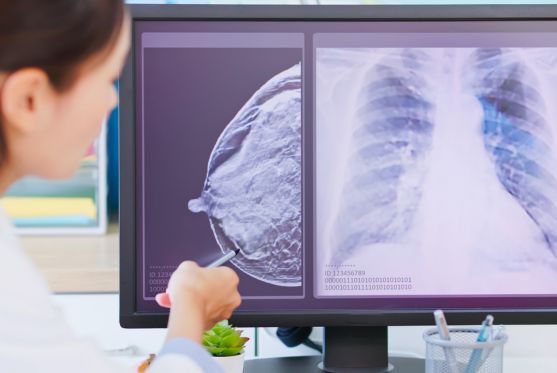
A new lump or mass in the breast or armpit is the most common symptom. Other signs include swelling, skin dimpling, breast or nipple pain, nipple retraction, redness, scaliness, or thickening of the nipple or breast skin.
Nipple discharge other than breast milk, especially if it is bloody or occurs spontaneously, should be evaluated by a healthcare professional.
Any unexplained change in the size, shape, or contour of the breast may be a warning sign that requires further medical examination.
Persistent itching, scaling, or inflammation of the breast skin, or dimpling that resembles an orange peel, should not be ignored.
Early diagnosis saves lives. Regular self-exams, clinical breast exams, and mammograms are key to detecting breast cancer at its most treatable stage.
Surgery is a common treatment for breast cancer. Options include lumpectomy (removing the tumor and a small margin of surrounding tissue) or mastectomy (removing the entire breast).
High-energy rays are used to kill cancer cells. Radiation is often recommended after lumpectomy to destroy any remaining cancer cells in the breast area.
Chemotherapy uses drugs to kill cancer cells, either before surgery (to shrink tumors) or after surgery (to reduce the risk of recurrence). It may also be used for advanced breast cancer.
For hormone receptor-positive breast cancers, hormone therapy blocks the body's natural hormones (estrogen and progesterone) from fueling cancer growth.
Targeted drugs attack specific characteristics of cancer cells, such as HER2 proteins. Immunotherapy helps the body's immune system recognize and fight breast cancer cells more effectively.
If you notice any new lump, skin changes, nipple discharge, or persistent pain in the breast or armpit, schedule an appointment with a healthcare provider. Regular mammogram screenings are recommended starting at age 40 or earlier for those with a family history.
Understanding the symptoms and treatment options for breast cancer is essential for every woman. Regular screening, awareness of breast changes, and prompt medical consultation can lead to early diagnosis and more effective treatment, ultimately saving lives and preserving quality of life.